Photographing the brutalist legacy of Skopje’s post-earthquake rebirth.
Few people know that Skopje has one of the world’s highest concentrations of brutalist architecture. Then again, very few know much about Skopje at all.
In 1963, nearly 80% of North Macedonia’s capital was destroyed by an earthquake. What followed was a rare act of global solidarity: over 80 countries, coordinated by the UN, contributed to its reconstruction. One of the clearest symbols of that effort is the Museum of Contemporary Art–donated by the Polish government, filled with works gifted by leading artists of the time, including none other than Picasso.
To rebuild the city, an international team of architects was appointed, led by Japanese Kenzo Tange. His selection was intentional. A true “superstar” architect at the time, Tange had already overseen the reconstruction of Hiroshima. He had a bold, metaphorical vision of architecture: a city devastated must rise again in monumentality, to signal pride and resilience.
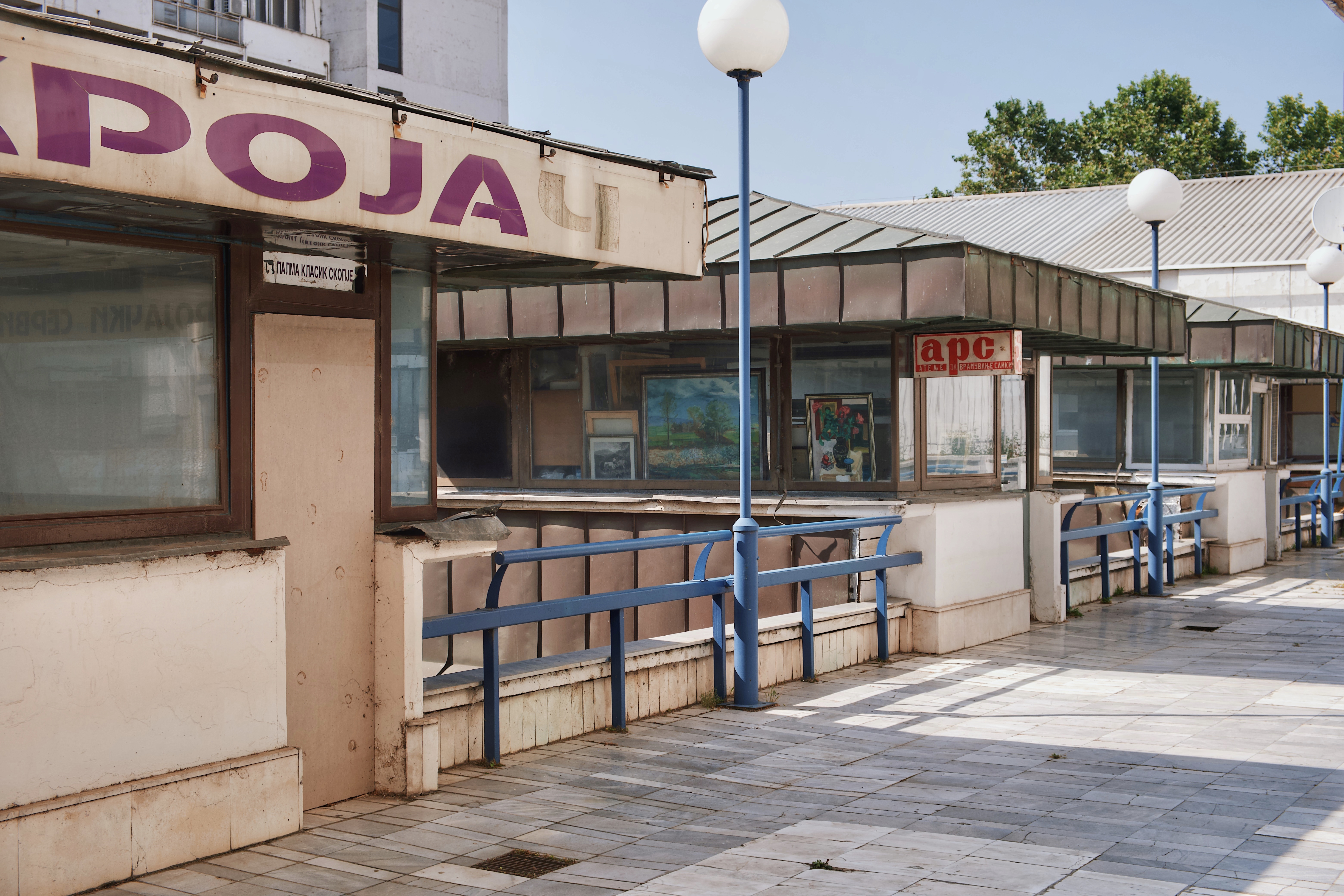
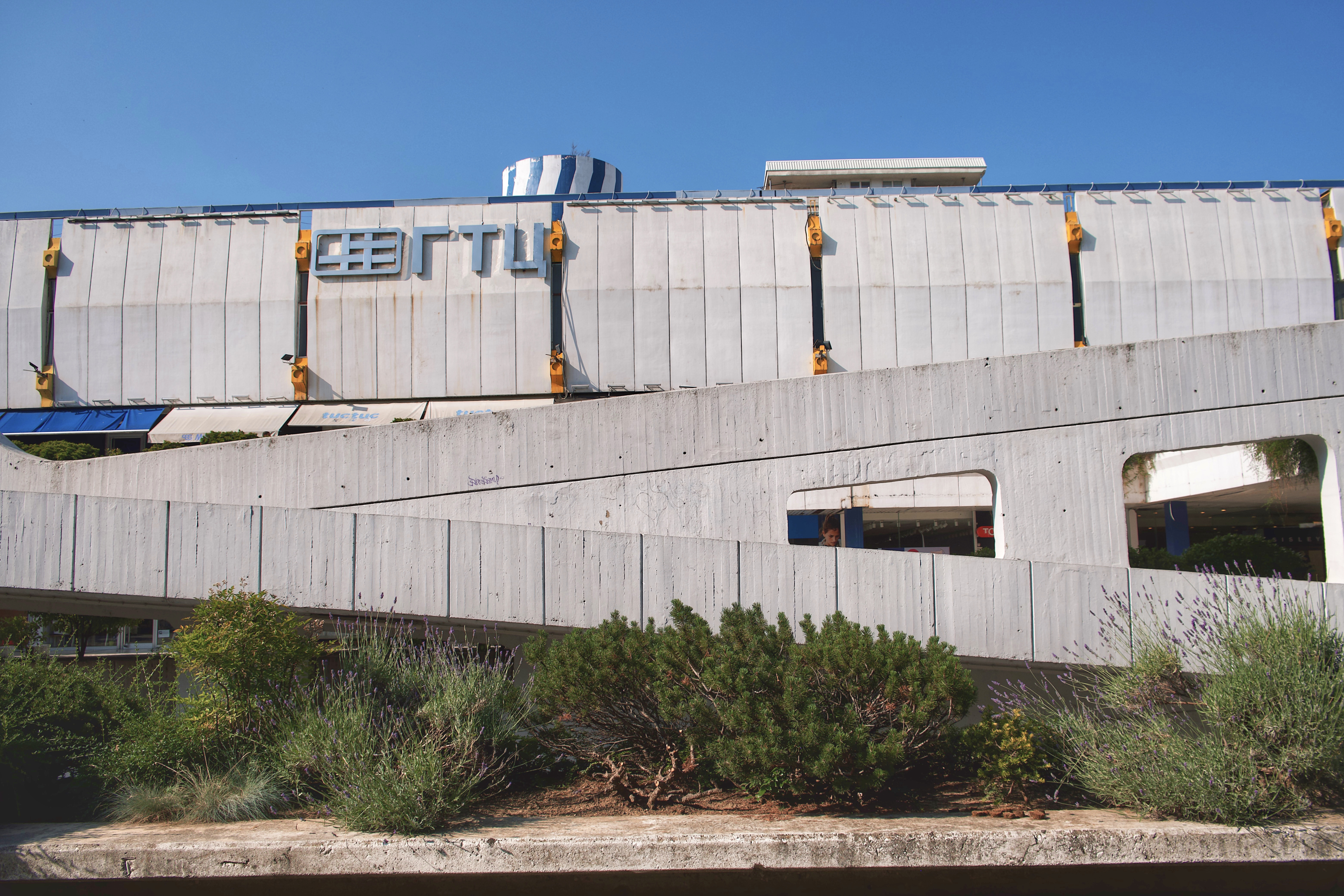
The result was a unique laboratory of international architecture: a mix of Japanese metabolism, Dutch structuralism, modernist idealism—and a heavy dose of brutalism.
But Skopje wasn’t done with disasters.
Less than 50 years later came the “Skopje 2014” project—a government-led campaign to revamp the city’s identity through fabricated “Macedonian grandeur”. Modernist masterpieces were covered by cheap-looking neo-classical facades. White antique columns were plastered everywhere like veneers. And to make sure you didn’t miss the point, nearly 200 statues were dropped in the city center—a literal baroque fever dream. Many call it “the biggest disaster after the earthquake.”
Still, with the right dose of humor and irony, it’s bizarrely enjoyable to visit. Especially if you walk through the center on a Sunday morning, when the streets are empty, and it feels like all the residents have been turned into those statues.
Sadly, my curatorial eye is too posh for its own good, so I kept my photography focused on the surviving modernist buildings. But a full article is coming, one that will dig deeper into the complexity of Skopje’s urban layers.
Written and photographed by Alexandra van der Essen
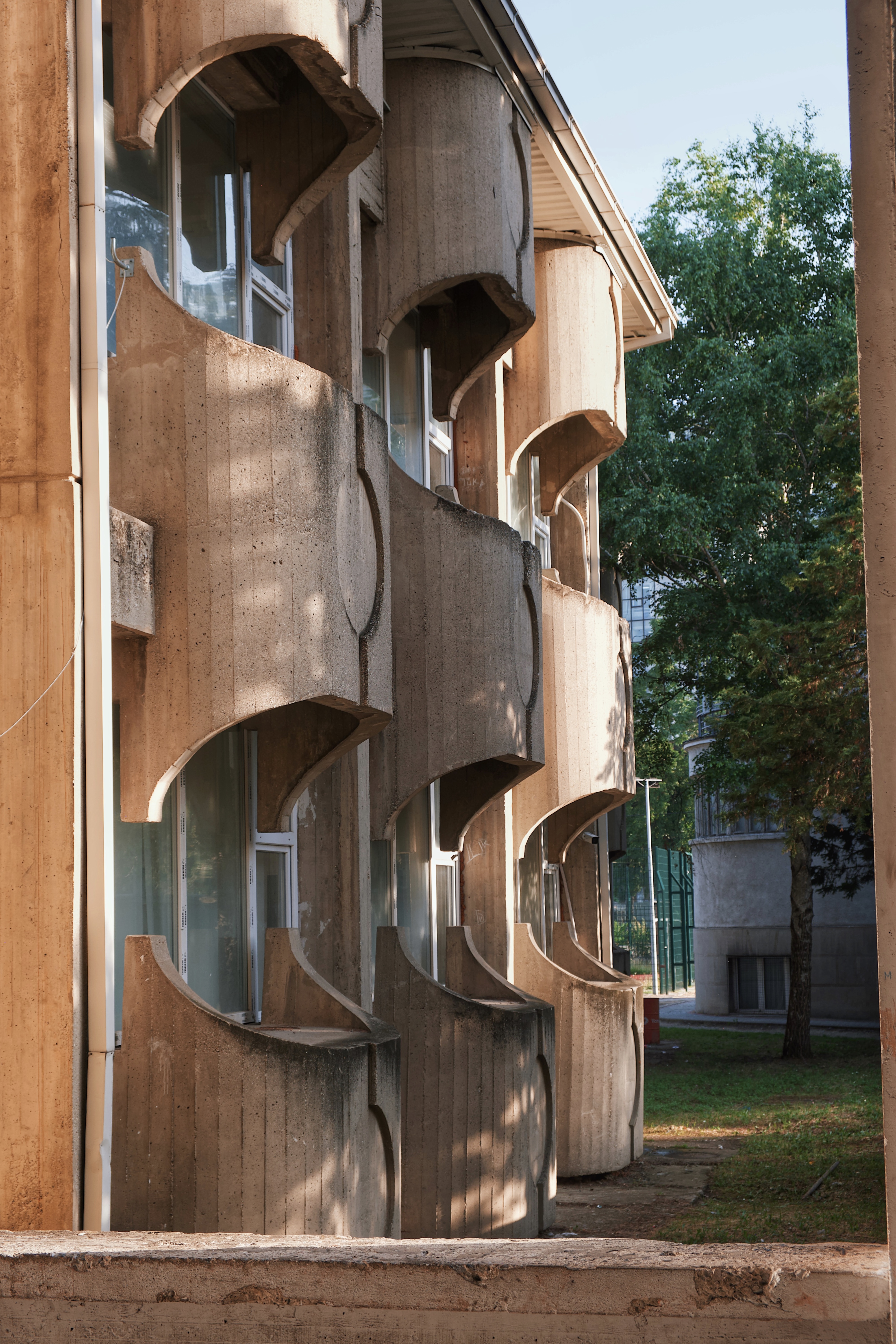
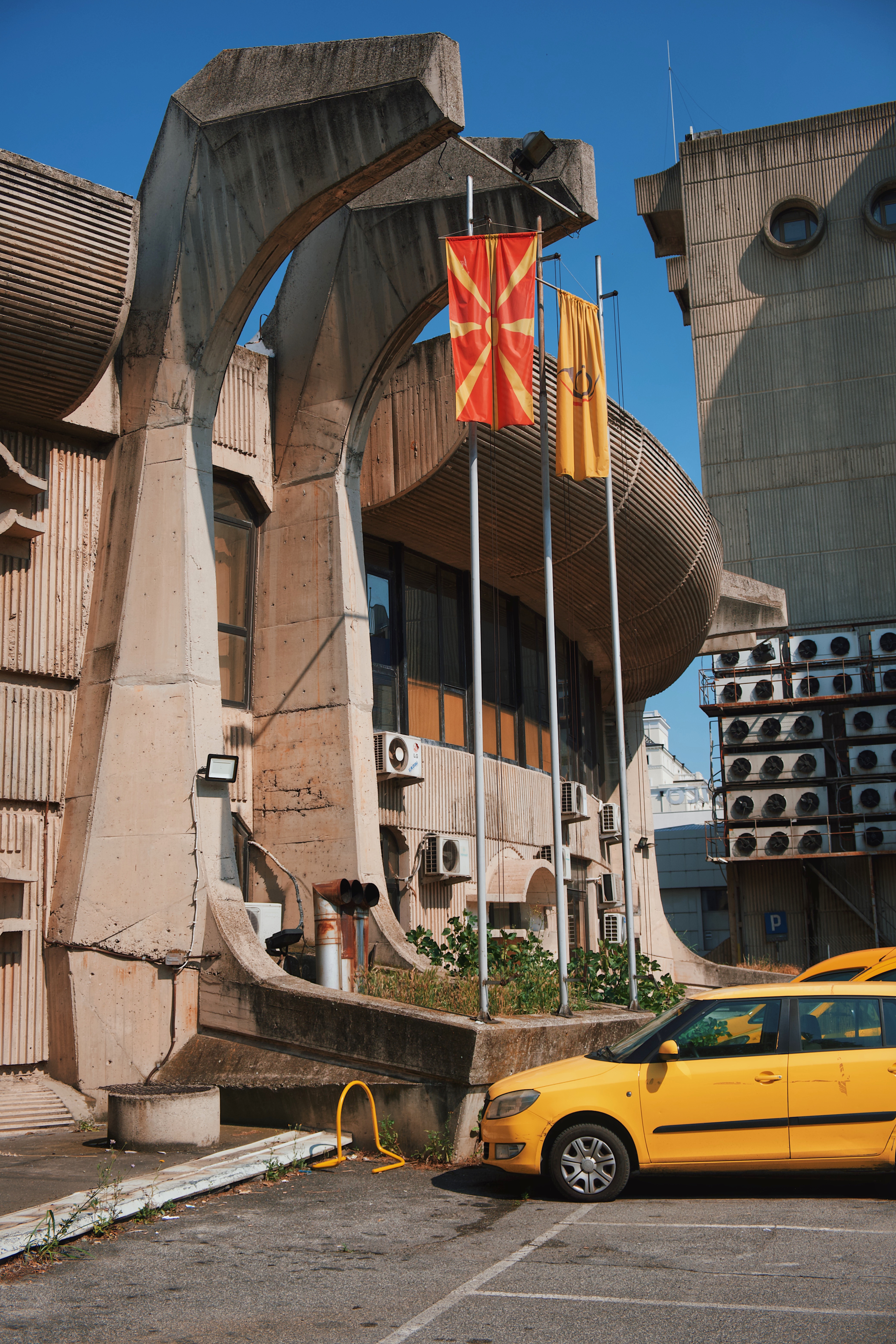
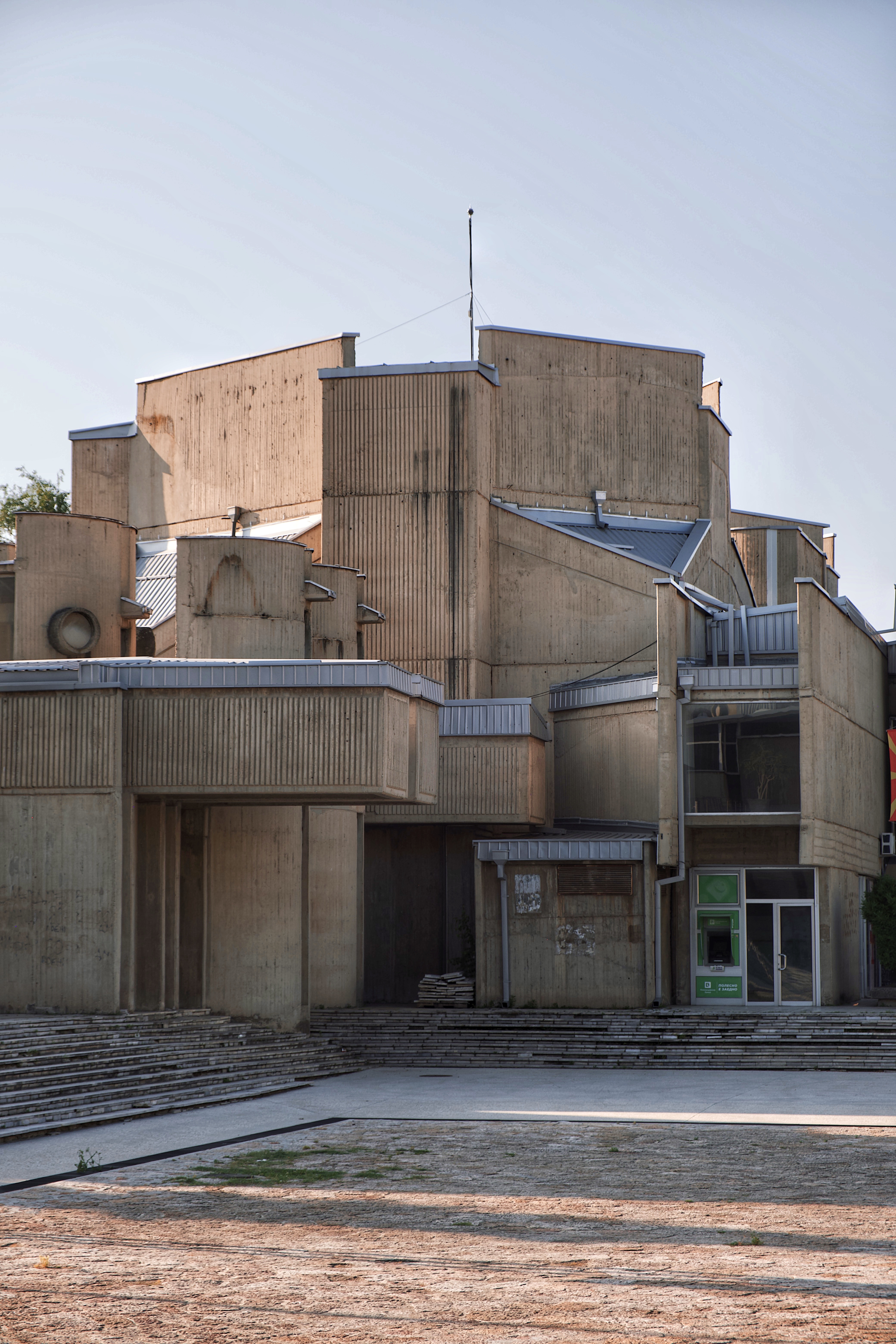
Faculty of Medicine Skopje (Медицински факултет), Post Office of Macedonia (Пошта на Северна Македонија – Централа), Ss. Cyril and Methodius University SKopje (Универзитет „Свети Кирил и Методиј“)
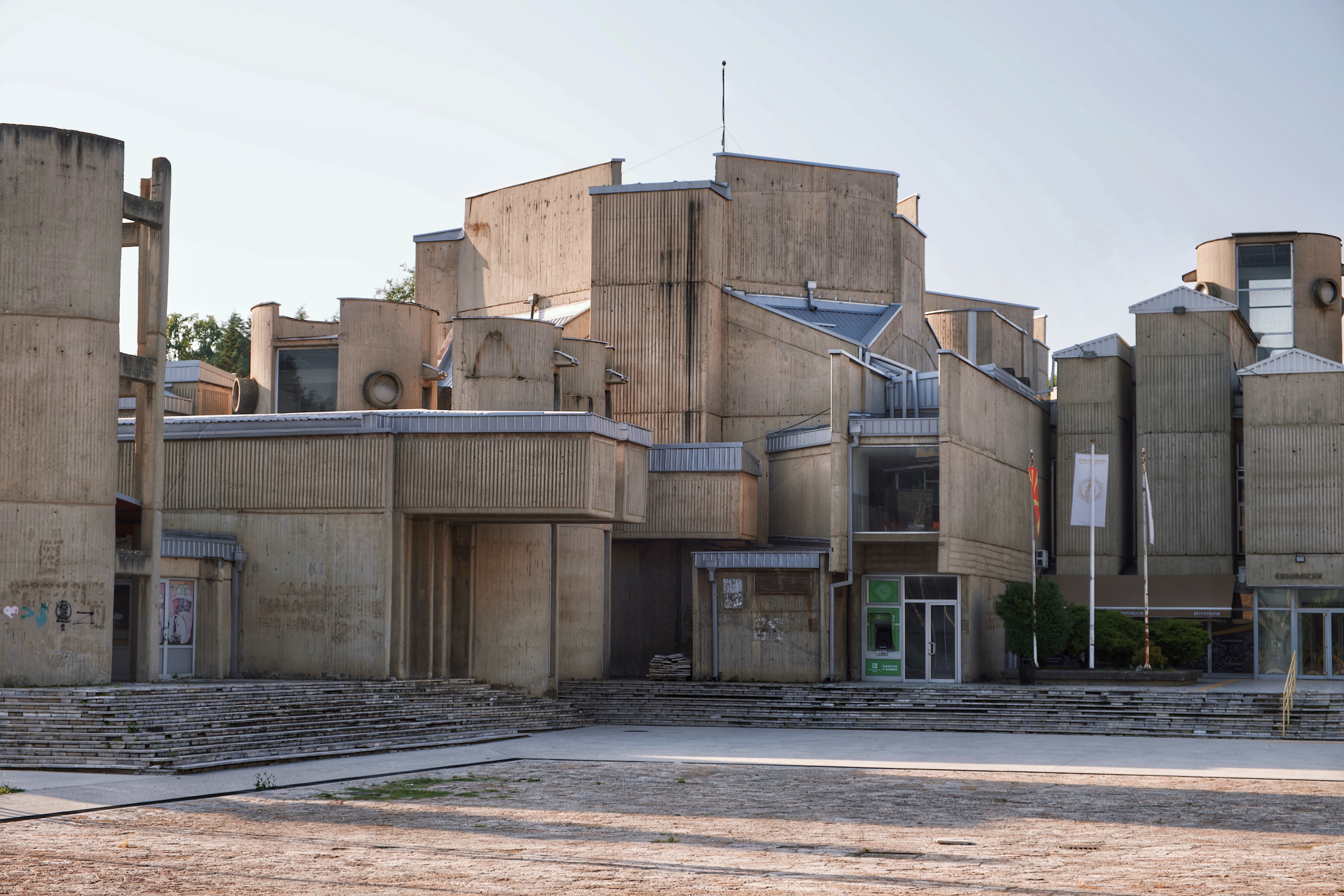


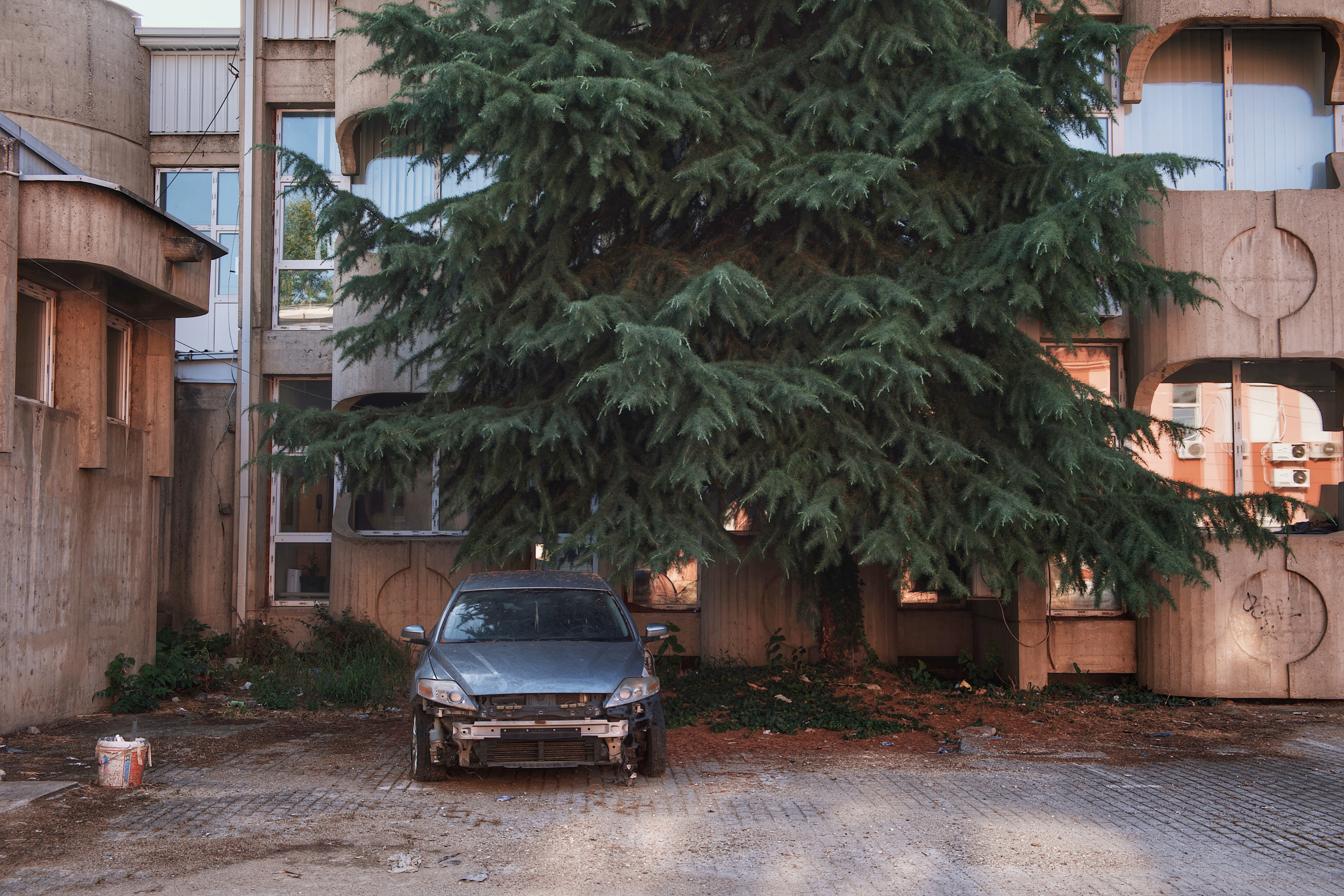

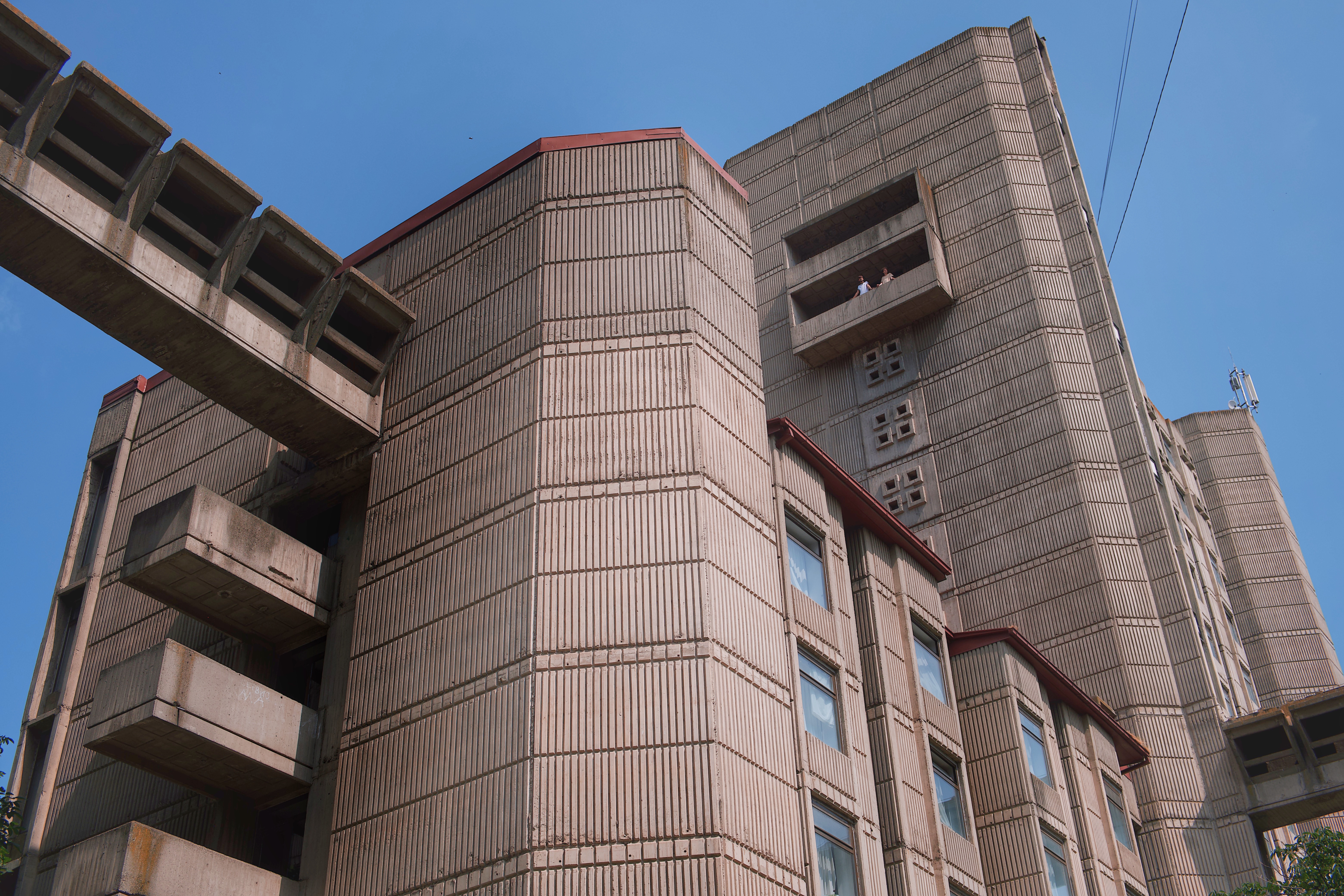

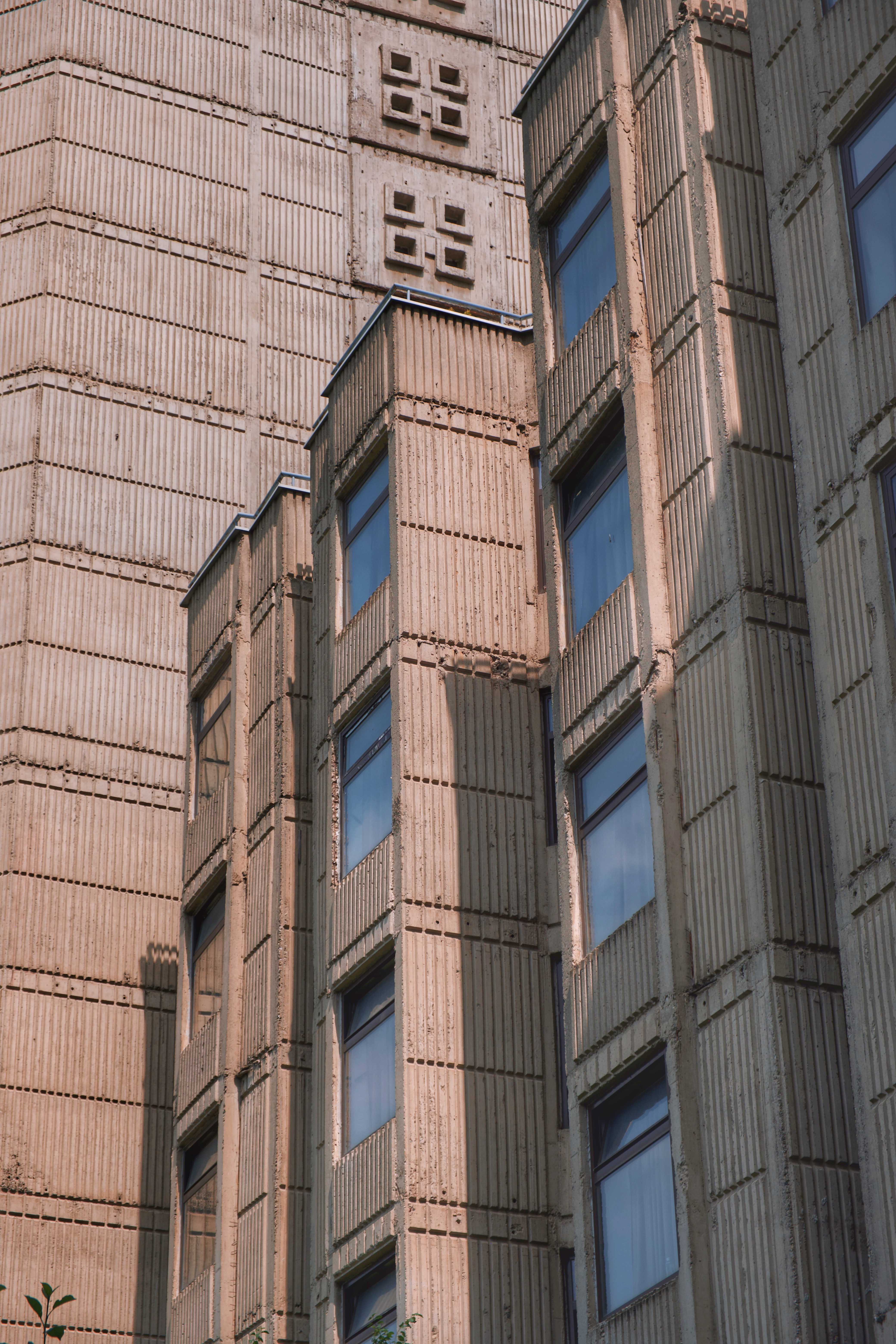

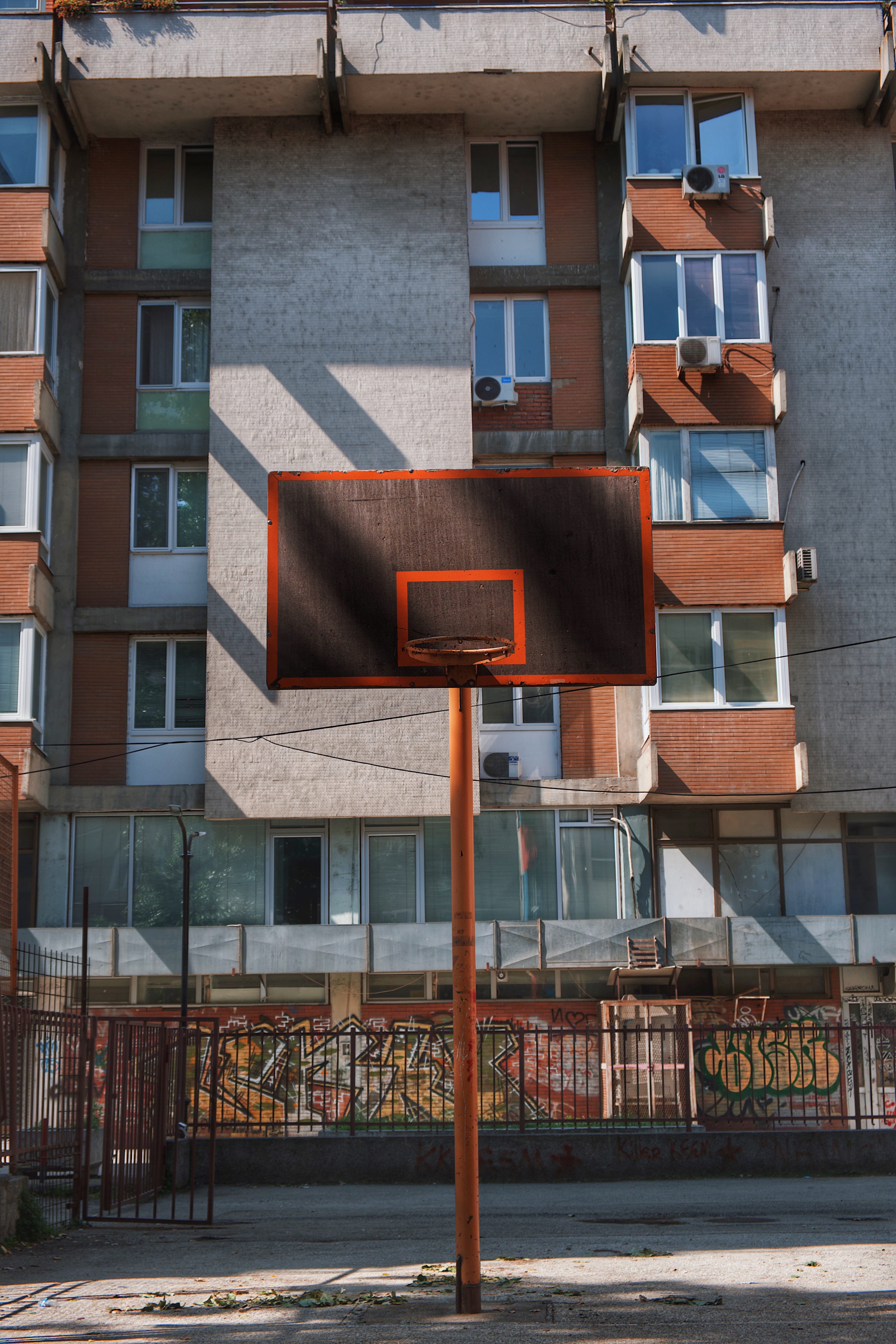
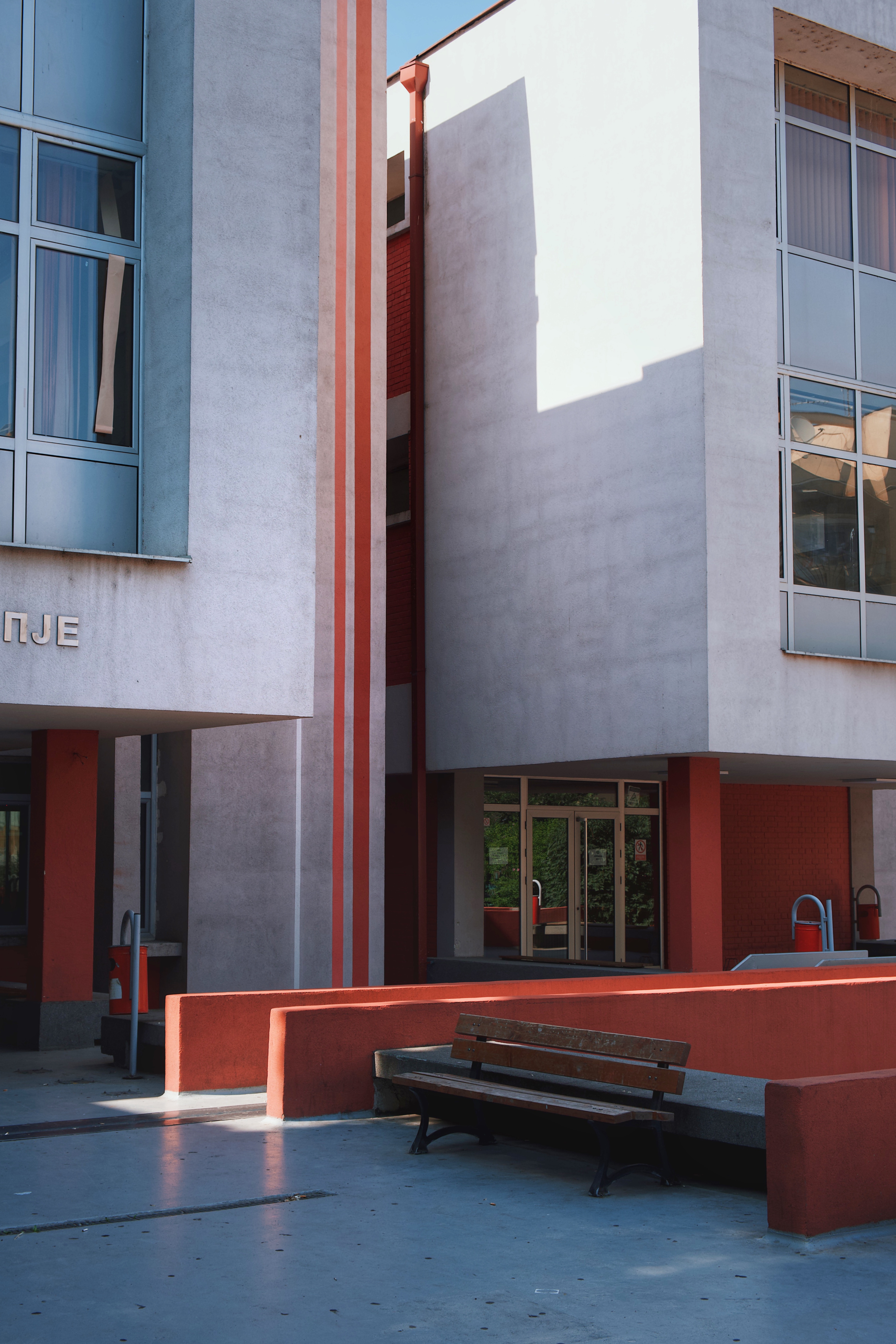
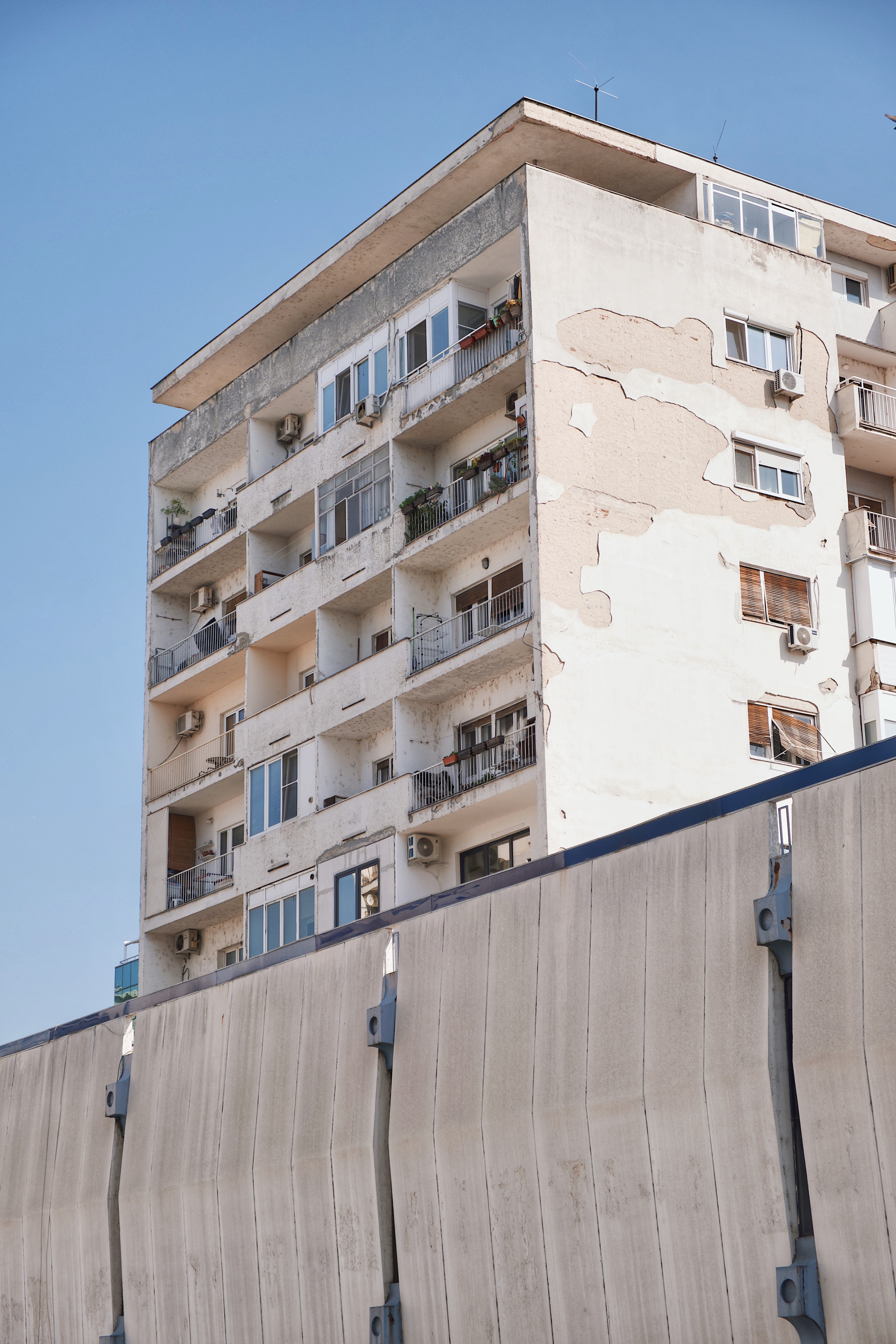
Josip Broz Tito High school (СУГС Гимназија „Јосип Броз – Тито”), Residential area close to Maksim Gorki, Josip Broz Tito High school (СУГС Гимназија „Јосип Броз – Тито”)

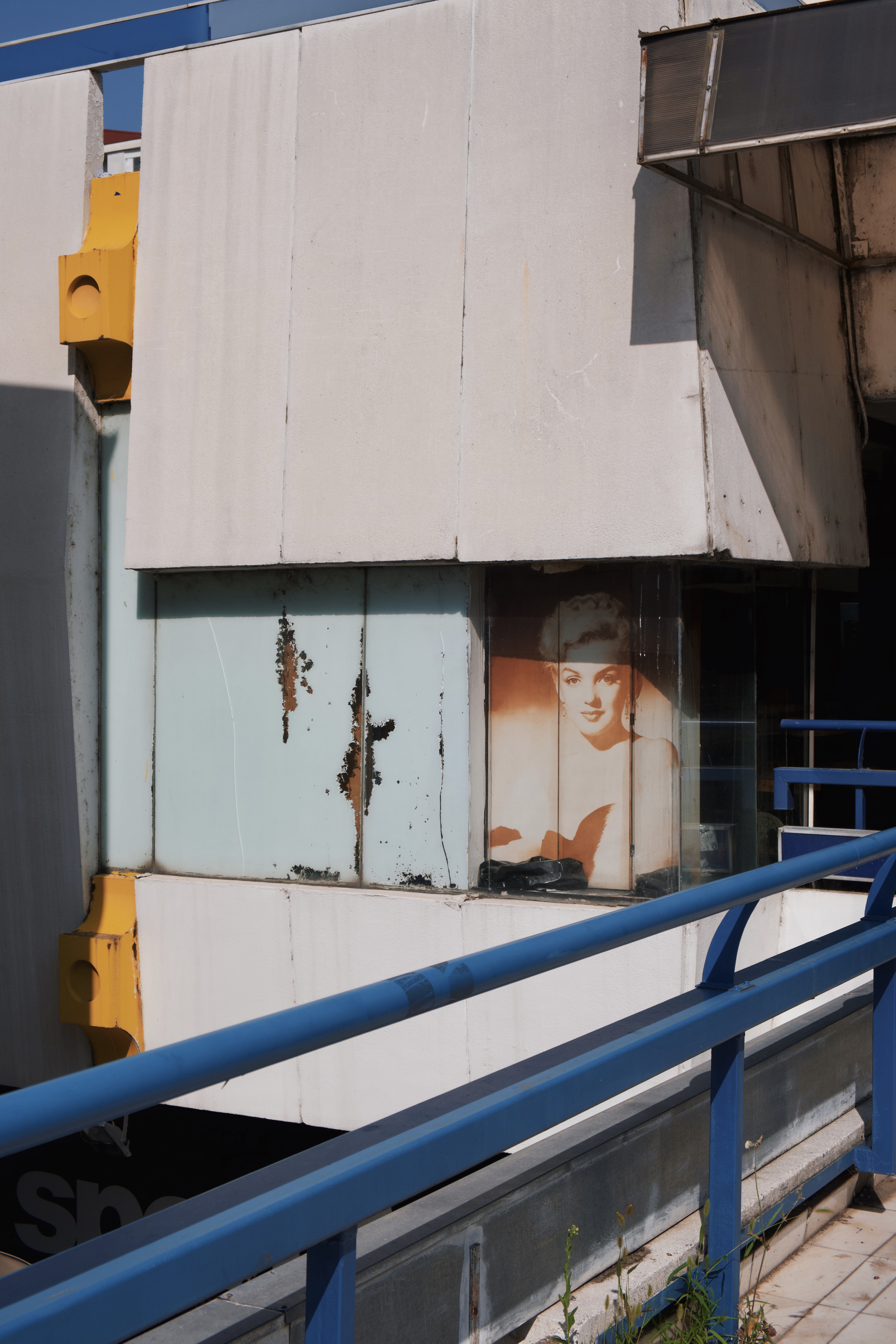
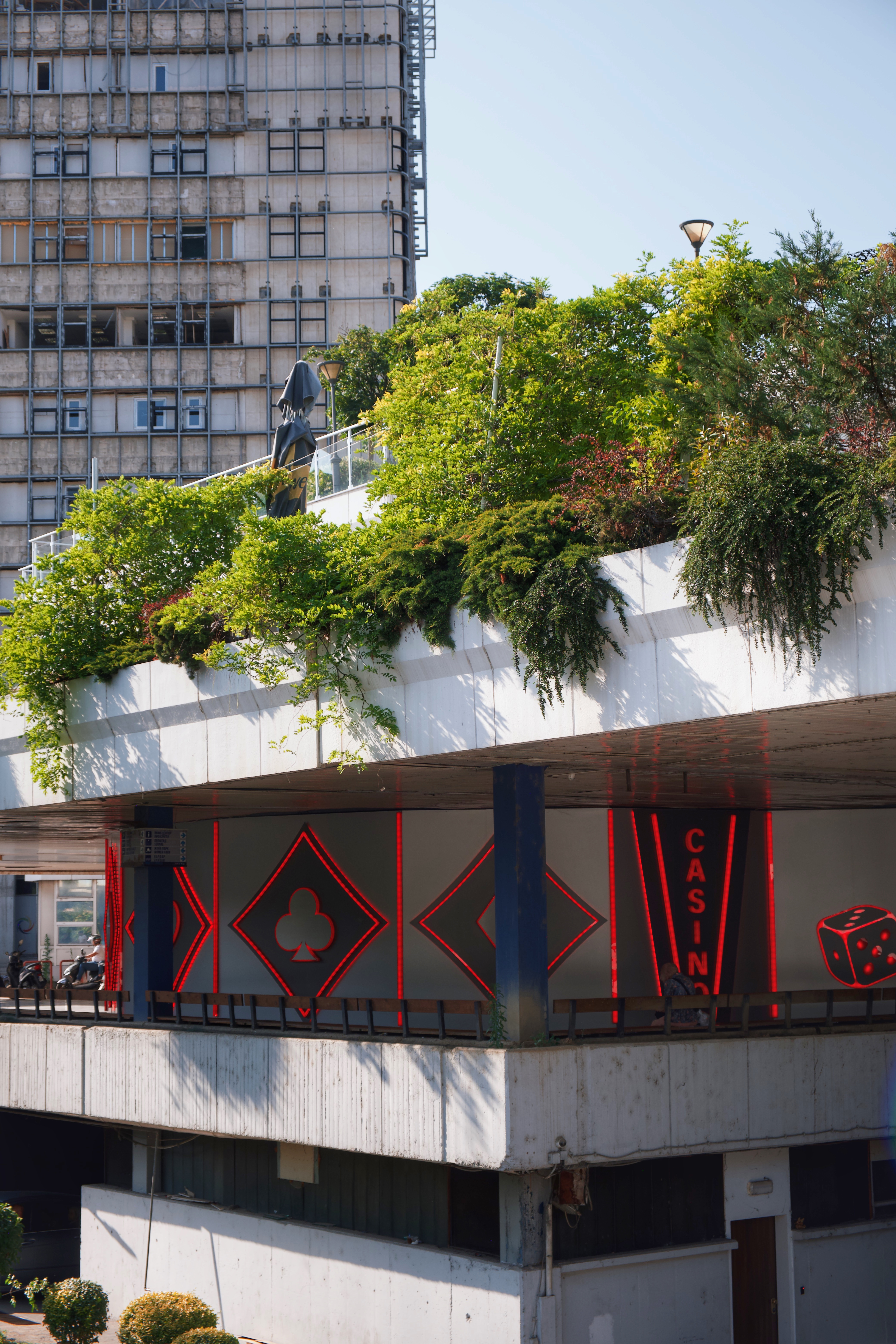
Sacred Heart Catholic Church, City Trade Center (Градски трговски центар), City Trade Center (Градски трговски центар)

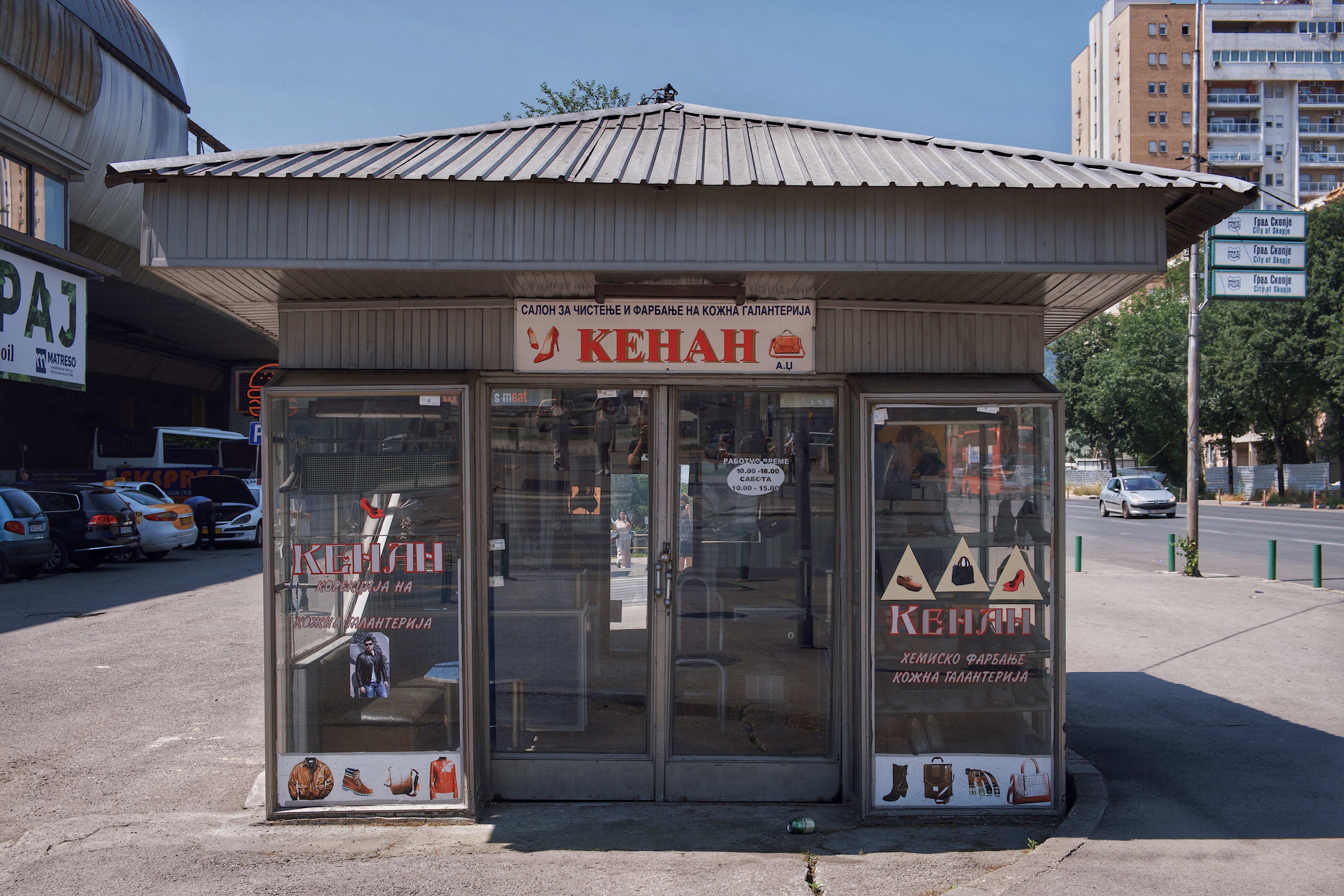




 alexandravanderessen.com
Leave a reply to Alexandra van der Essen Cancel reply